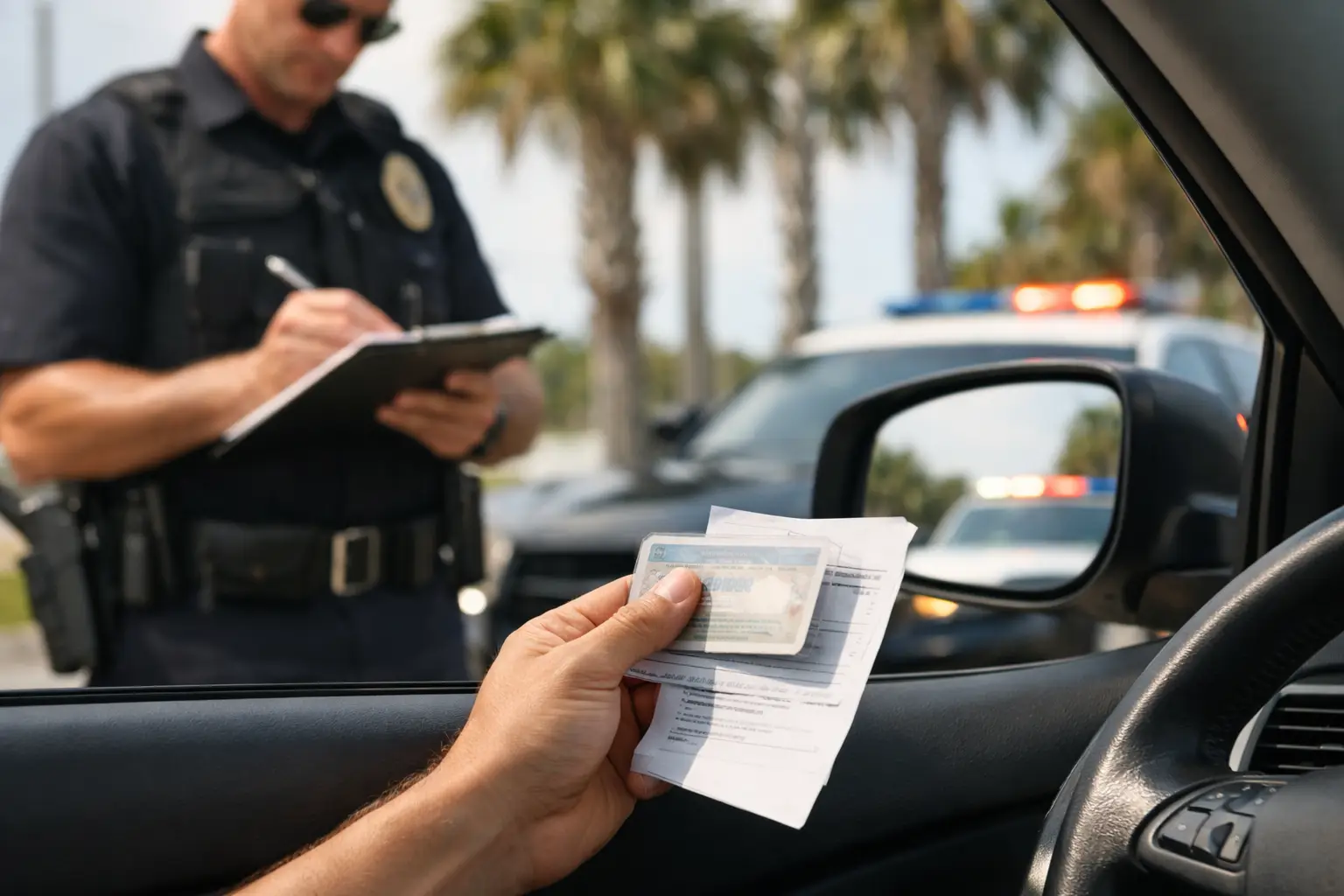
A speeding ticket can feel like a small problem until you see the deadline, the fine amount, and the possible points on your license. Knowing what to do after speeding citation in Florida can protect more than your wallet. The decision you make before the due date may affect your driving record, insurance costs, and ability to keep a clean license.
Do not panic. Do not ignore the ticket. And do not assume paying it is always the fastest or least expensive choice in the long run.
Start With the Deadline on Your Ticket
Your citation has a response deadline. In Florida, you generally have a limited period to choose how you will handle a civil traffic citation. Missing that date can create a much larger problem than the original speeding charge, including a possible license suspension and added costs to get your driving privileges restored.
Read the ticket carefully. Confirm the county where it was issued, the alleged speed, the listed violation, and the response date. Keep a clear photo or scan of both sides of the citation. Details matter, especially if there is an error in your personal information, vehicle information, location, or the charge itself.
If the ticket was issued in Miami-Dade, Broward, or Palm Beach County, acting quickly gives you more options. Waiting until the last day creates avoidable pressure and may limit the time available for a lawyer to review the citation and prepare a response.
Do Not Automatically Pay the Ticket
Paying a speeding citation may be convenient, but it can be treated as an admission of the violation. That can mean points on your Florida license, depending on the alleged speed and the type of offense.
Points are not just a number on a driving record. They can lead to increased insurance premiums, put you closer to a suspension threshold, and create complications for drivers who already have prior citations. For some people, especially frequent commuters and professional drivers, the effect of points can last far beyond the original fine.
A payment decision can also be more serious if you hold a commercial driver license. CDL drivers may face employment consequences, reporting obligations, or problems with their driving history even when the citation occurred in a personal vehicle. The right response depends on the charge, your record, and your work requirements. It is worth getting advice before you make a choice that cannot easily be undone.
Know Your Main Options After a Speeding Ticket
Florida drivers usually have several ways to respond to a speeding citation. You may pay the civil penalty, elect traffic school if eligible, request a hearing, or hire a traffic attorney to handle the case.
Paying is simple, but it may result in points. Traffic school can help some drivers avoid points, but it takes time, requires eligibility, and still may involve fees. You must complete the course by the required deadline. It also does not make sense for everyone, particularly drivers who do not want to spend hours in a class or who have used their available school election.
Requesting a hearing allows you to contest the citation, but handling court on your own can mean missed work, unfamiliar procedures, and uncertainty about the result. The officer may appear, evidence may be presented, and you may need to speak on your own behalf. A hearing is a legal proceeding, not simply a conversation with the court.
Hiring a traffic lawyer is often the lowest-effort option for a driver who wants to protect their record without attending court or taking traffic school. An attorney can review the ticket, file the necessary paperwork, communicate with the court, and appear on your behalf when permitted.
Preserve the Details While They Are Fresh
A speeding citation is not always as straightforward as it looks. If you plan to challenge the charge or have an attorney review it, write down what happened as soon as possible. Include the time, weather, traffic conditions, road location, posted speed limit, and your recollection of the officer’s explanation.
Were you passing another vehicle? Was the speed limit sign blocked, missing, or recently changed? Was traffic moving at a similar speed? Did the officer identify the device or method used to determine your speed? These facts do not automatically dismiss a ticket, but they may help an attorney evaluate the situation.
Keep any relevant documents too, such as vehicle repair records if your speedometer may have been inaccurate, photos of the roadway, or proof that you were not the driver. Do not alter documents or contact the officer to argue the case. Let the legal process work through the proper channels.
Protect Your License Before Points Add Up
Florida uses a point system for many moving violations. A single speeding ticket may seem manageable, but points accumulate. Too many points within a defined period can lead to a license suspension.
That risk is higher for drivers with prior citations, young drivers, rideshare drivers, delivery drivers, and anyone whose job depends on being able to drive. Insurance companies may also review your driving history when determining premiums. There is no guarantee that a policy rate will increase after one citation, but the possibility is real.
This is why the cheapest choice today is not always the least costly choice overall. A fine may be lower than legal representation in the moment, but points, traffic school, missed work, and insurance increases can cost far more over time.
Let a Florida Traffic Lawyer Handle the Process
You do not need to become an expert in traffic court because you received one ticket. A focused traffic attorney handles these cases every day and understands the procedures that can affect the outcome.
At South Florida Ticket Lawyer, the process is designed to stay simple: send in your citation, pay the flat $99 fee, and let a Florida traffic attorney handle the paperwork and court appearance. The goal is clear – guaranteed no points and no traffic school, with no hidden fees.
Not every citation is identical, and certain cases can involve added issues. High-speed allegations, reckless driving charges, accidents, suspended license matters, CDL violations, and repeat offenses may require a closer review. Still, the first move is the same: get the ticket reviewed before you pay it or miss the deadline.
What Not to Do After a Speeding Citation
Avoid the mistakes that turn a routine citation into a more expensive problem. Do not set the ticket aside and hope it goes away. Do not miss your response deadline. Do not pay solely because you are in a hurry. And do not assume traffic school is your only way to avoid points.
Be cautious about relying on advice from friends, social media posts, or experiences from another state. Florida traffic rules and local court practices matter. A result that worked for someone else may not apply to your citation, driving history, or county.
You should also avoid submitting incomplete paperwork or choosing an option you do not fully understand. Once you elect an option or make a payment, changing course can be difficult. A short review before you act can prevent a long-term mistake.
The Best Next Step Is the Fast One
The most useful thing you can do after receiving a speeding citation is act before the deadline. Take a picture of the ticket, save the details, and have a Florida traffic attorney review it. That one step can help you avoid points, traffic school, court time, and unnecessary stress while keeping your attention where it belongs: on the road ahead.