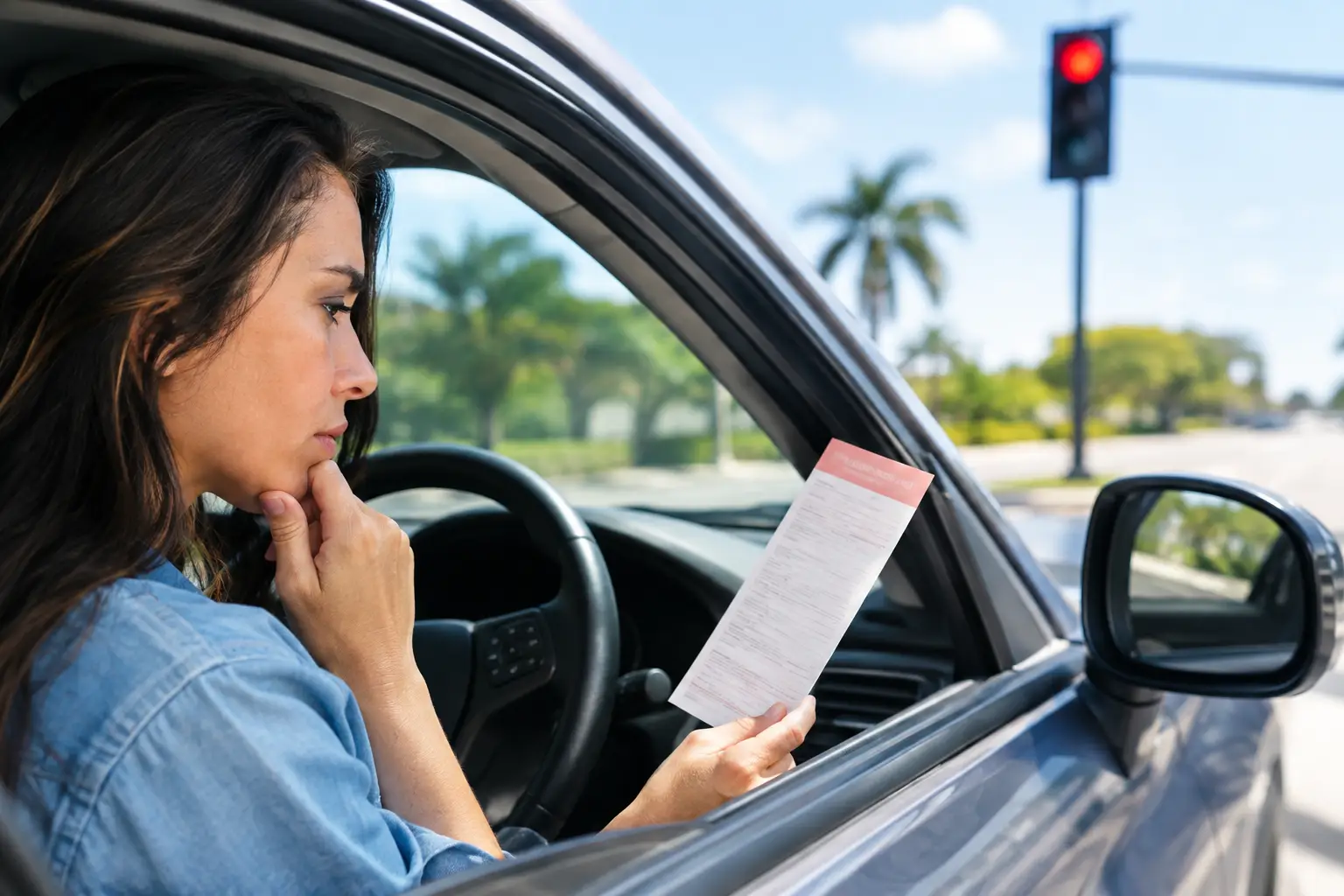
That notice in the mail can feel like a small problem until you see the deadline, fine amount, and possible effect on your driving record. If you are searching for how to handle red light ticket issues in South Florida, do not ignore it and do not rush to pay before you know what type of notice you received.
A red light camera notice and a ticket issued by a police officer are not always handled the same way. The right response depends on the document, the deadline, and whether your goal is simply to close the matter or to protect your license from points, traffic school, court time, and higher insurance costs.
How to Handle a Red Light Ticket Without Missing Your Deadline
Start by reading every line of the notice. Look for the issuing agency, violation date, response deadline, payment amount, and instructions for contesting the allegation. Keep the envelope, notice, photographs, and any online access information together. A missed deadline can turn a manageable citation into a more expensive problem.
In Florida, drivers may receive either a notice connected to a traffic camera or a Uniform Traffic Citation issued by law enforcement. Do not assume they carry identical consequences. A camera-related notice may begin as a civil violation, while a citation issued by an officer can involve different options and potential license consequences.
The fastest way to create a bigger issue is to set the ticket aside. Deadlines do not pause because you are working, traveling, or unsure what to do. Responding on time protects your options.
Do Not Pay Automatically
Paying a ticket is convenient, but it is still a decision. Depending on the citation and the option selected, payment may close the case without giving you a chance to challenge the violation or seek a better outcome for your driving record.
Before paying, ask three practical questions: Is this a camera notice or an officer-issued citation? Does the listed resolution affect points? Is there a way to have an attorney handle the response and court process for you?
For many South Florida drivers, the issue is not just the fine. It is avoiding lost work time, traffic school, points, and an insurance increase that can cost far more than the original ticket.
Identify What You Received
A red light camera notice usually includes still images, a video reference, the location, and a date and time. These cases often focus on whether the registered owner is responsible under the applicable rules, whether the vehicle was properly identified, and whether another person was driving.
An officer-issued red light ticket may be based on an officer’s observation at an intersection. It can involve questions about the traffic signal, the position of the vehicle when the light changed, visibility, road conditions, or whether the driver made a lawful turn.
The details matter. For example, a right turn at a red light is not automatically a violation if the driver first made a complete stop and the turn was otherwise legal. A citation may still be defensible if the facts, signage, timing, or evidence do not support the charge.
Do not rely on a quick glance at the ticket. A single box checked, code listed, or deadline printed on the notice can change the best response.
Preserve the Facts While They Are Fresh
Take a few minutes to write down what you remember. Note your route, weather, traffic, lane position, signal visibility, nearby construction, and whether you came to a complete stop before turning. If a passenger was present, ask what they recall.
If the intersection has changed since the alleged violation, your memory may be more useful than you think. Construction cones, blocked signs, faded lane markings, unusual traffic patterns, and obstructed views can all matter in evaluating a ticket.
Keep your notes factual. Do not guess about timing or add details you cannot honestly support. The goal is to preserve accurate information for a lawyer reviewing the case, not to build a story after the fact.
Know the Choices Before You Respond
Most drivers have some version of three choices: pay the amount due, elect an available course or option, or contest the matter. The exact choices depend on the notice and the county handling it.
Paying may be appropriate when the consequences are limited and speed is your only priority. But it may not be the best choice when you have prior violations, drive for work, hold a CDL, or want to keep your record as clean as possible.
Traffic school may be available for certain matters, but it costs time and usually means completing a course you did not plan for. It is not a one-size-fits-all answer. Commercial drivers and drivers already concerned about their records should be especially careful before choosing an option without understanding the impact.
Contesting a red light ticket does not always mean you personally need to spend a day in court. A traffic attorney can review the notice, file the appropriate paperwork, and appear on your behalf when allowed. That is often the better route for drivers who cannot miss work or do not want to handle court procedures alone.
When a Lawyer Makes Sense
A lawyer is worth considering when the ticket could add points, affect your insurance, threaten a CDL, follow previous citations, or require a court appearance. It also makes sense when the ticket facts do not match what happened or when you simply want the matter handled without spending hours trying to understand the process.
Bring the complete notice, not just a photo of the front page. Include any camera images, supporting documents, prior correspondence, and your notes about the intersection. A clear review starts with complete information.
South Florida Ticket Lawyer keeps the process simple for qualifying traffic citations: send in the ticket, pay a $99 flat fee, and let a Florida traffic attorney handle the paperwork and court appearance. The focus is straightforward – protect your record when possible, avoid unnecessary traffic school, and keep you from having to take time off for court.
No attorney can responsibly promise the same result in every fact pattern. What a lawyer can do is identify the real options, meet the deadline, and pursue the resolution that best protects you under the circumstances.
Common Mistakes That Make Red Light Tickets Worse
The first mistake is waiting until the deadline is almost over. Last-minute decisions leave less time to review evidence, gather information, or prepare a defense.
The second is treating every red light notice as identical. A camera notice, a mailed citation, and an officer-issued ticket can follow different procedures. The document in your hand controls what needs to happen next.
The third is assuming a fine is the only cost. Points, insurance consequences, traffic school, time away from work, and a damaged driving record can matter more than the amount printed on the ticket.
The fourth is submitting a response that is incomplete or inconsistent. If you plan to contest the matter or state that someone else was operating the vehicle, follow the instructions exactly. Incorrect paperwork can delay the case or limit your choices.
A Simple Next Step for South Florida Drivers
Handle the ticket promptly, but do not panic. Read the notice, save the evidence, write down what happened, and get a clear answer about your options before you commit to paying or choosing traffic school.
A red light ticket does not need to take over your week. The right response is usually the one that meets the deadline, protects your driving record, and keeps you moving forward with as little disruption as possible.