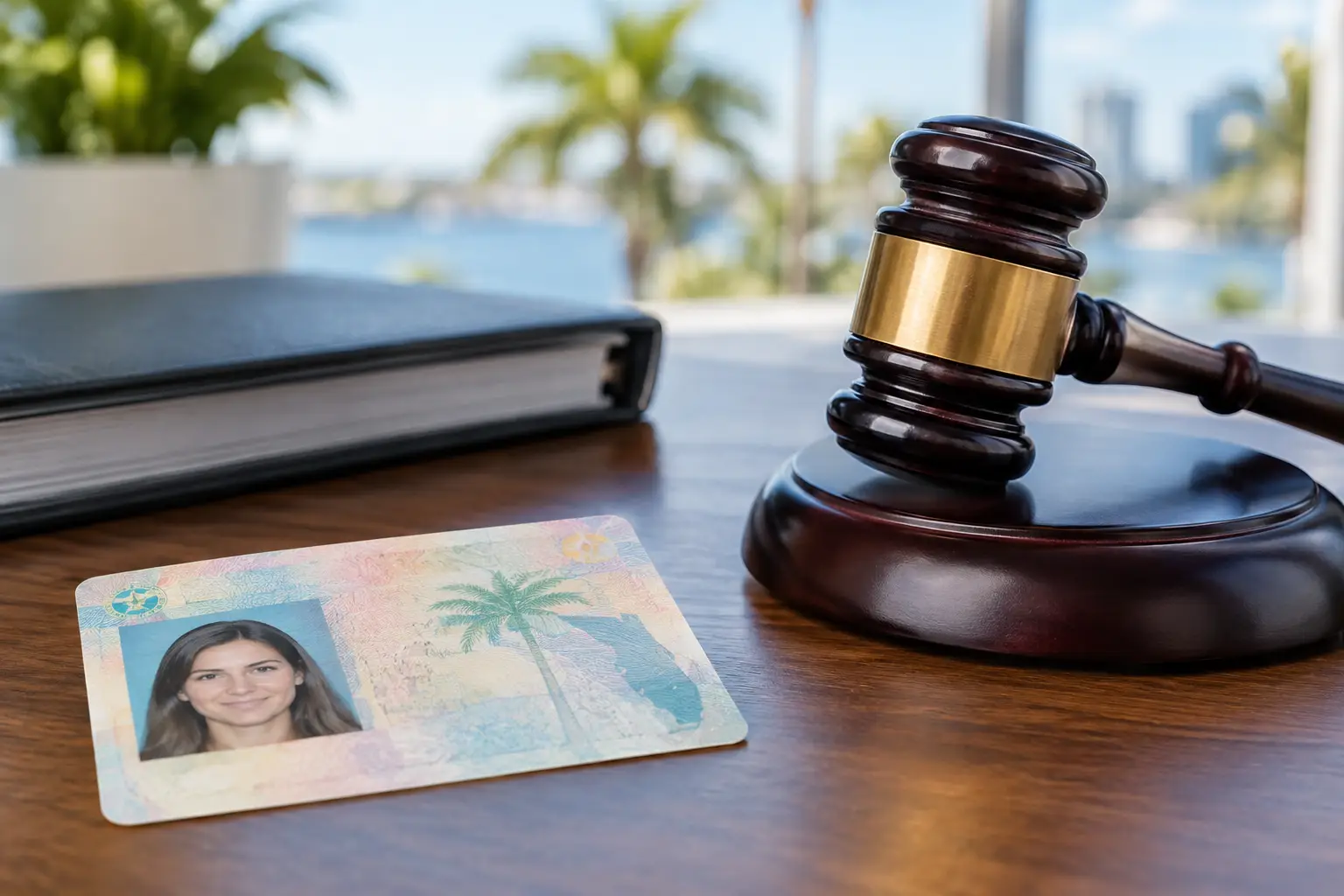
A Florida traffic ticket is not just an annoying piece of paper. It can put your license protection, insurance costs, and ability to drive for work at risk. The fine is only the immediate problem. Points, a suspended license, traffic school requirements, and higher premiums can follow if the citation is handled the wrong way.
For most South Florida drivers, the goal is simple: resolve the ticket without spending a day in court, missing work, or damaging a driving record. Fast action gives you more options. Waiting until the deadline gets close usually does the opposite.
What License Protection Means After a Ticket
License protection means taking the right steps to protect your privilege to drive before a citation creates larger consequences. In Florida, certain moving violations can add points to your driving record. Too many points in a set period can lead to a license suspension.
That matters whether you drive to an office in Miami, commute through Broward, or depend on your vehicle for deliveries, appointments, or family responsibilities. A suspension can mean missed income, more fees, and a difficult path back to a valid license.
The same concern applies to commercial drivers. A CDL driver may face consequences that go beyond ordinary points. A citation can affect employment, company policies, and a career built around staying eligible to drive. The best response depends on the charge, the driver’s history, and whether the alleged violation occurred in a personal or commercial vehicle.
License protection is not about ignoring a ticket. It is about addressing it before an administrative deadline or court date turns one traffic stop into a bigger problem.
Why Paying a Ticket Can Be the Expensive Choice
Many drivers see a fine amount and assume payment is the fastest way to move on. It may be fast, but it is not always the safest choice for your record. Paying many traffic citations can be treated as an election that closes the case and may result in points, depending on the violation.
Those points do not disappear from the practical consequences of the ticket just because the fine has been paid. Your insurance company may review your driving record at renewal. A pattern of violations can make you look like a higher-risk driver, even if each ticket seemed minor at the time.
Florida’s point system can also build quickly. Common examples include speeding, careless driving, running a red light, and failure to obey traffic control devices. The number of points depends on the allegation and circumstances. Accumulating 12 points within 12 months can trigger a 30-day suspension. Higher totals within longer periods can lead to longer suspensions.
There are situations where paying a ticket may make sense, particularly for a minor non-moving violation with no point consequences. But drivers should not assume every citation works that way. A quick review before payment can prevent an avoidable mistake.
The Consequences Drivers Often Miss
The court fine is visible. The consequences that arrive later are often the ones that cost more. A moving violation may affect insurance pricing, employment screening, rideshare eligibility, fleet driving privileges, and a driver’s ability to maintain a clean record.
For a driver with prior points, the risk is more immediate. Another conviction may place the driver closer to suspension thresholds. For a first-time driver, the concern may be establishing a record that insurers and employers can see later. For someone with a CDL, even an offense in a personal vehicle may deserve careful attention.
A license suspension creates its own set of problems. Driving while suspended can lead to a new criminal or traffic charge, additional fines, and more serious licensing consequences. If you receive a suspension notice, do not assume you can keep driving until you have the situation confirmed and addressed.
Red light camera citations deserve attention too. They are not handled the same way as every other ticket, and deadlines still matter. Reckless driving allegations require an especially prompt response because they can carry more serious consequences than a standard civil traffic citation.
License Protection Starts Before the Deadline
Florida traffic citations include deadlines. Miss one, and the options that were available at the beginning may become harder or more costly to pursue. You could face additional fees, a suspended license, or a requirement to resolve the matter through a different process.
The practical first step is to read the citation carefully. Confirm the alleged violation, county, court date or response deadline, and the information listed for your license and vehicle. Keep the ticket in a safe place and take a clear photo or scan. Do not rely on memory, especially if you received more than one citation.
Next, avoid making an automatic decision based only on the fine amount. A traffic lawyer can review the citation and determine the appropriate path for the situation. In many cases, an attorney can handle the court process without requiring the driver to appear personally.
That convenience matters. You should not have to choose between protecting your record and losing a workday in court. A streamlined traffic defense service is built for drivers who need an answer quickly and do not want to manage legal paperwork alone.
When a Traffic Lawyer Can Help Protect Your License
A traffic attorney can help evaluate options for speeding tickets, careless driving citations, red light violations, reckless driving charges, CDL-related matters, and license suspension issues. The strategy is not identical for every case. The charge, location, driving history, evidence, deadlines, and whether a commercial license is involved all matter.
For routine civil traffic tickets, the goal is often to seek a resolution that protects the driving record and avoids unnecessary requirements. For more serious allegations, the focus may include challenging the case, negotiating an outcome, or preventing a suspension from becoming more damaging.
South Florida Ticket Lawyer is designed around a simple process for eligible traffic matters: send in the ticket, pay a $99 flat fee, and let a Florida traffic attorney handle the paperwork and court appearance. The firm’s no-points and no-traffic-school approach addresses the two outcomes drivers are most concerned about: protecting the record and avoiding more time away from work.
No lawyer should make a driver guess what happens next. Before hiring anyone, ask what the fee covers, whether court attendance is required, what deadlines apply, and how you will receive updates. A clear process is part of effective license protection.
Do Not Let a Small Ticket Become a Driving Problem
The worst time to think about your license is after it has already been suspended. Once that happens, the process may involve compliance requirements, reinstatement fees, proof of insurance, or additional hearings. Prevention is usually simpler than repair.
If you already have points, a prior suspension, an out-of-state license, or a CDL, say so when you seek help. Those details can change the advice you receive. Being upfront is not a disadvantage. It gives your attorney the information needed to identify risks early.
Keep copies of ticket receipts, court notices, insurance communications, and final case documents. These records can help if there is a reporting error or if you need to show an employer the actual outcome of a citation. Check your driving record periodically rather than waiting for an insurer or employer to find a problem first.
A traffic ticket does not have to define your record. Handle it promptly, understand the consequences before you pay, and get qualified help while there is still time to protect your ability to drive.