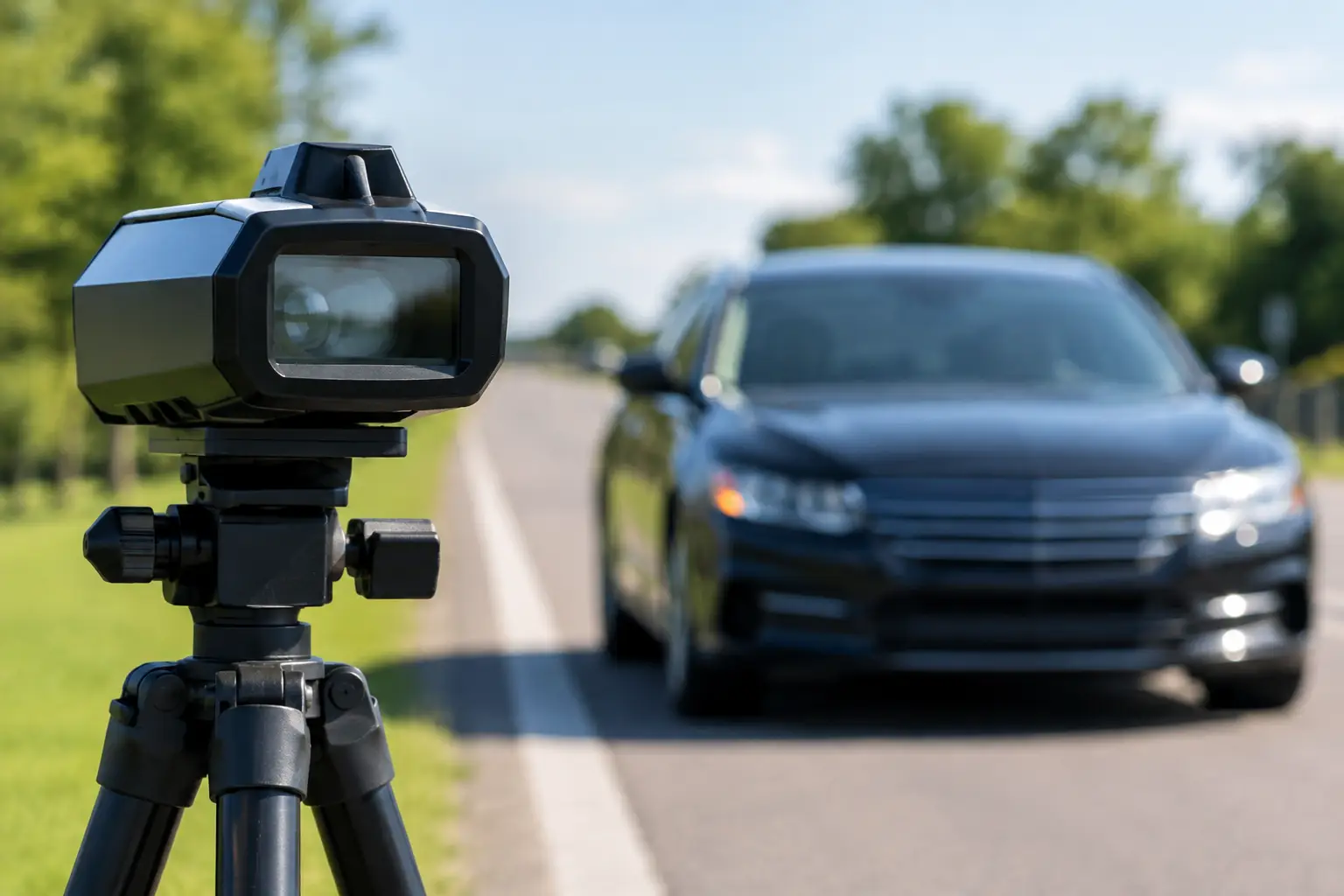
A radar reading can look final when it appears on a speeding ticket. It is not automatically the last word. Knowing how to challenge radar evidence means looking beyond the number on the citation and asking whether the device, the operator, and the traffic stop can actually support it.
For South Florida drivers, that distinction matters. A speeding conviction can mean points, higher insurance costs, and problems for anyone whose job depends on a clean driving record. The goal is not to argue that radar never works. The goal is to require the State to prove that this particular reading was accurate, properly obtained, and connected to your vehicle.
Radar Evidence Must Be Reliable
Police radar measures speed by sending a signal toward traffic and calculating changes in the reflected signal. That sounds straightforward, but the reading is only as dependable as the equipment and the way it was used.
In a traffic case, the officer’s visual estimate, the radar reading, and the officer’s testimony may all be part of the evidence. A defense can focus on gaps in any of those areas. If the device was not tested correctly, the officer was not properly trained, or the radar could have captured another vehicle, the strength of the allegation can change.
This is why simply seeing a speed printed on a ticket does not mean you should pay it without reviewing your options. Paying a civil traffic citation can be treated as an admission and may lead to points, depending on the violation and your record.
How to Challenge Radar Evidence: The Main Issues
The best challenge depends on the facts. A clear road with one vehicle in view presents a different situation from a crowded expressway at rush hour. Still, several issues come up repeatedly in radar-based speeding cases.
Calibration and Accuracy Checks
Radar units require routine testing. Officers commonly perform internal tests and use tuning forks to check whether the unit is working properly before and after a shift. Records may show when the device was calibrated, serviced, or removed from service.
A missed test does not always end a case by itself. But if the records are incomplete, the officer cannot describe the checks performed, or the device had a known issue, it may create a meaningful question about the reading’s reliability. The same is true when there is no clear foundation showing that the radar unit was operating correctly at the time of the stop.
Officer Training and Operating Procedure
The officer using the radar must be trained to operate that model and interpret its reading. Training matters because radar does not identify a license plate. It measures a reflected signal. The officer must be able to explain why the displayed speed came from your vehicle rather than another vehicle nearby.
An attorney may examine whether the officer had current certification, followed the agency’s procedures, and made an independent visual estimate of speed. If testimony is vague or inconsistent, that can affect how persuasive the radar evidence is.
Traffic, Distance, and Target Identification
Heavy traffic is one of the most practical areas to examine. Radar beams can be broad, especially at a distance. On I-95, the Florida Turnpike, or a busy surface road, several vehicles may be within the radar’s field at once.
The officer may have been positioned at an angle, monitoring vehicles approaching or moving away, or targeting traffic across multiple lanes. Larger vehicles can produce stronger reflections than smaller cars. If a truck, SUV, or fast-moving vehicle was near you, the key question becomes simple: how did the officer know the reading was yours?
Interference and Environmental Conditions
Radar is designed for roadside use, but conditions can still matter. Terrain, roadside objects, power lines, nearby radio sources, reflective surfaces, weather, and moving patrol vehicles can all be relevant depending on the device and how it was operated.
These arguments are fact-specific. A claim that “there were cars around” is usually not enough by itself. A stronger defense ties the actual location, lane positions, traffic density, weather, and officer observations to a specific reason the reading may not be dependable.
Radar Is Different From Lidar
Drivers often use the word radar for every speed-measuring device, but radar and lidar are not identical. Lidar uses a focused laser beam and generally targets a smaller area than traditional radar. That can make vehicle identification more precise, but it does not eliminate the need for proper training, testing, and operation.
If your citation or the officer’s report references laser, the defense should focus on the equipment actually used. A one-size-fits-all argument can miss the point. The records, testing requirements, and testimony needed may differ.
What You Should Do After Receiving a Radar Ticket
The deadline on your citation matters. Do not ignore the ticket while you decide whether the officer’s radar was accurate. Missing a response deadline can lead to additional penalties or a license suspension issue.
Keep the ticket, take photos of the area if they may help, and write down what you remember while it is fresh. Note the road, time, weather, traffic level, your lane, the officer’s location, and whether other vehicles were near you. Do not alter records or contact witnesses in a way that creates a problem. Just preserve useful facts.
Then consider the consequences before you choose an option. Traffic school may be available in some situations, but it takes time and may not be the right choice for drivers who want to preserve that option for later. Commercial drivers also have additional concerns because a speeding violation can affect employment and compliance obligations.
Why a Radar Challenge Is Usually Not a DIY Project
A radar defense is not won by telling a judge that you do not think you were speeding. It is built through the right questions, records, and legal procedure. That may include reviewing the citation, examining the officer’s account, challenging whether the proper foundation exists for the reading, and identifying weaknesses before a hearing.
The trade-off is practical. You can contest a ticket yourself, but that often means understanding court deadlines, attending proceedings, and knowing what evidence actually matters. For many drivers, missing work and trying to cross-examine an officer without preparation creates more risk than savings.
A traffic attorney can evaluate whether the case involves radar, lidar, pacing, or visual estimation and decide where the pressure points are. Sometimes the best result comes from an evidentiary issue. Other times, it comes from a negotiated resolution or a procedural problem. No honest lawyer can promise that every radar ticket will disappear, because facts and court practices vary. But a ticket should be evaluated before you accept points and insurance consequences.
Protect Your License Before the Deadline Passes
A radar reading is evidence, not a verdict. It must still be connected to your vehicle and supported by reliable equipment, proper testing, trained operation, and credible testimony.
South Florida Ticket Lawyer handles the process for drivers who want a fast, low-effort response to a citation. Send in the ticket, pay the flat fee, and let a Florida traffic attorney handle the paperwork and court appearance. Before you pay a radar ticket, protect your record by getting it reviewed while your options are still open.